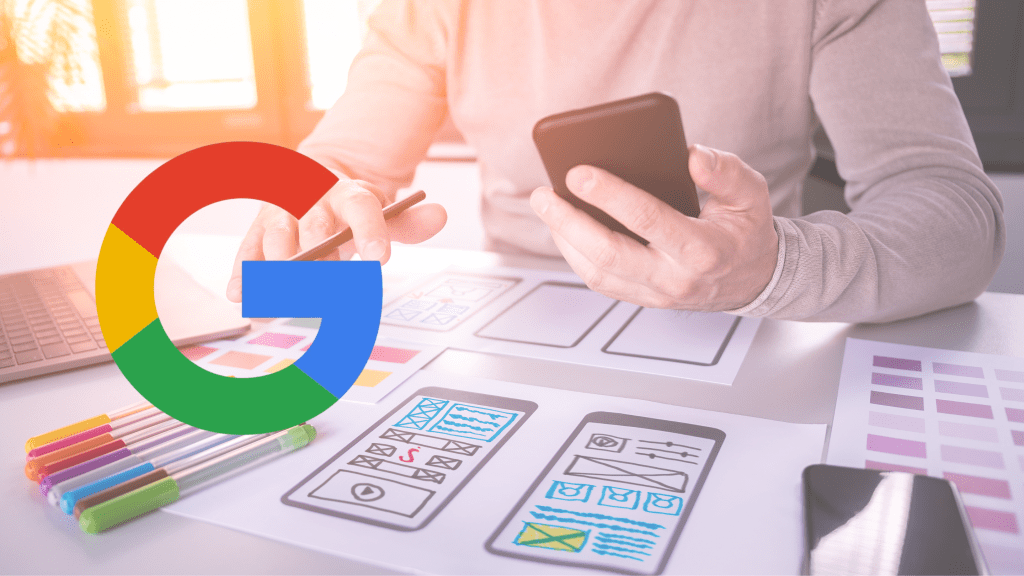
Have you ever used a website or an app and thought, “Wow, this is so easy and intuitive!”? Or perhaps, more likely, you’ve battled with a clunky interface, feeling frustrated and thinking, “There has to be a better way!”? I know I have. That feeling—the one that focuses on how people interact with digital products—is the very heart of User Experience (UX) and User Interface (UI) design.
And guess what? I’ve just taken a huge, exciting leap into this fascinating world by enrolling in Google’s UX Design Professional Certificate programme.
For a while now, I’ve been drawn to the idea of shaping how people experience technology. UI/UX designers require creativity, psychology, and problem-solving—key attributes of conducting research. It’s not just about making things look pretty (though aesthetics, the UI part, are necessary); it’s about deep-diving into how people think and behave, understanding their needs and frustrations, and then crafting digital experiences that are not just usable, but genuinely helpful and maybe even delightful.
If you’re someone who enjoys visual design, loves figuring out how things work (and how they could work better), and gets satisfaction from making technology more human-friendly, then a full-time career in UI/UX design—or like me, building a side career in UI/UX design—might be for you.
So, What Exactly Does a UX Designer Do?
Before I jumped in, I wanted to properly clarify the role. Essentially, a UX designer is the user’s advocate. We’re responsible for the entire journey a person takes when interacting with a product, whether it’s a mobile app, a website, or even a physical service (like checking into a hotel—that’s a user experience too!).
Think about it: the ‘user experience’ is everything from how easily we can find information, to how simple it is to complete a task (like booking a flight or ordering a takeaway), to how the overall interaction makes us feel. Was it smooth? Efficient? Enjoyable? Confusing? Annoying? UX designers strive to make every touchpoint positive.
UX design involves the following process:
- Understanding: Getting to know the users and the brand. What problem are we solving? Who are we solving it for?
- Research: This is crucial! It involves talking to potential users through interviews, surveys, focus groups, or observing how they use existing products. We need to uncover their needs, goals, behaviours, and ‘pain points’ (the frustrating bits!).
- Analysis: Making sense of the research. Often, this involves creating ‘personas’ – fictional representations of typical users – to keep their needs front-and-centre. We also map out ‘user flows,’ which chart the steps a user takes to achieve a goal.
- Design: This is where ideas start taking shape. We create things like ‘wireframes’ (basic layouts focusing on structure and content hierarchy, like a blueprint) and ‘prototypes’ (interactive mock-ups that simulate the final product). This is often where UI designers focus on the visual elements and aesthetics.
- Testing: Putting the designs in front of real users to see how they interact. This ‘usability testing’ helps identify problems and areas for improvement before expensive development work begins. It’s all about iteration—test, learn, refine, repeat.
- Delivery: Presenting the final, tested design solutions.
Why the Google UX Design Professional Certificate?
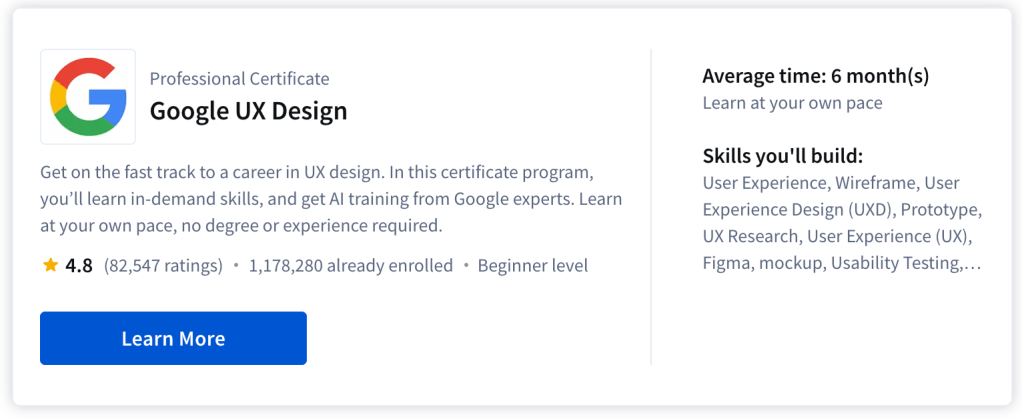
Knowing what UX designers do is one thing; knowing how to become one is another. The field requires a specific set of skills—things like UX research, interaction design, information architecture, wireframing, prototyping, and understanding concepts like accessibility (designing for people of all abilities) and equity-focused design. We also need strong workplace skills like communication, empathy, collaboration, and critical thinking.
While some people transition from related fields like graphic design or even psychology, I knew I needed a structured way to learn the fundamentals, gain practical experience with industry-standard tools (like Figma or Adobe XD, though the certificate focuses on the concepts applicable to any tool, including mentioning InVision), and build a portfolio to showcase my skills.
So, among all UI/UX design learning options, why did I end up enrolling in the Google’s UX Design Professional Certificate. I would say the following are the highlighted, compelling reasons:
- Industry Recognition & Expertise: It’s developed by Google experts—people who live and breathe UX design daily. Earning a certificate from Google carries significant weight in the tech industry.
- Comprehensive Curriculum: It’s a 7-course series that covers the entire design process, from foundational concepts and empathising with users to ideation, wireframing, prototyping, user research, and testing. It even includes training on AI’s role in design.
- Practical, Hands-On Learning: One thing I like is that this Google’s certificate programme isn’t just theory-based learning. The programme focuses on practical application. We learn by doing, completing projects that simulate real-world UX design challenges.
- Portfolio Development: This is HUGE! The certificate guides us in creating a professional UX portfolio featuring three end-to-end projects. A strong portfolio is absolutely essential for landing a job in this field.
- Flexibility: As someone juggling other commitments—like how I am a full-time postdoctoral researcher—the flexible schedule is perfect. Google estimates it takes about 6 months, studying around 10 hours per week, but we can truly learn at our own pace.
- Beginner-Friendly: We don’t need a specific degree or prior experience to enrol. It’s designed to take us from novice to job-ready for entry-level roles.







My Journey So Far (and Why I’m Excited)
I’m currently diving into the initial courses, and I’m already incredibly impressed. The content is engaging, well-structured, and immediately applicable. Learning about empathising with users, defining problems, and the importance of accessibility from the get-go really sets the right foundation.
I particularly appreciate the emphasis on building a portfolio right from the start. Knowing that every module is contributing to tangible projects I can showcase to potential employers is incredibly motivating.
So, is this UI/UX design certificate programme suitable for you?
If you’ve read this far and are excited and curious enough to dig deeper and learn more, then perhaps a career in UI/UX design is worth exploring further. And if you’re looking for a comprehensive, practical, and industry-respected way to gain the necessary skills and build that all-important portfolio, I frankly recommend looking into the Google UX Design Professional Certificate.
Whether you’re a complete beginner, looking to switch careers, or wanting to formalise existing skills, this programme seems tailor-made to get you job-ready. It demystifies the field, provides a clear learning path, and equips you with the tools and portfolio pieces needed to make your mark.
I’m genuinely thrilled to be on this journey, learning how to create experiences that are not just functional but truly user-centred. I’ll be sure to share more updates as I progress!
Are you thinking about a career in UX design? Have you considered this Google’s certificate? Let me know in the comments below!
Thanks for reading my advice. If you would like to learn more about (mental) health, personal development and/or (online) education from me, please feel free to subscribe to my newsletter below. Also please feel free to browse my blog — Society & Growth — for more content at https://jasonhungofficialblog.com/.




 Society & Growth
Leave a comment