
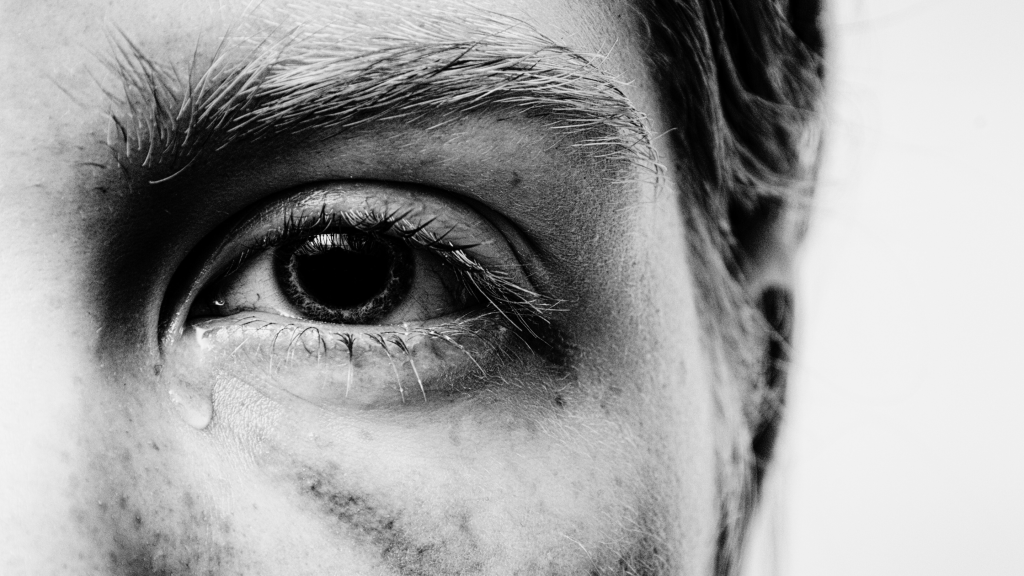
Ihave suffered from an acute anxiety disorder since the age of 15. Now I am 30. And yes, I have lived with mental illness for half my life (and counting).
Before I acknowledged the trauma and devastation my mental illness had brought me, I believed physical disorders were utterly the biggest tragedy in life owing to their visibility.
When I was first diagnosed with an acute anxiety disorder, my psychiatrists, psychologists, social workers and parents would tell me that I should be grateful for having a mental rather than a physical disability, because at least the former is less visible, or even invisible.
Yet, little did I know that the invisibility of my mental disability would be the major reason I have been distanced from, discriminated against, and even hated throughout my adulthood.
From high school to university and to graduate school, I had coursemates who had physical disabilities. Due to their visibility, their unusual actions were often embraced and sympathised with. People at school were often quite inclusive when it came to accepting those who were visibly disabled.
However, I was often the odd man out. When my acute anxiety disorder severely kicked in, not only did I feel suffocated, but I was also shaking dramatically. Such unusual behaviours were beyond my control.
I had tried all kinds of therapies, from cognitive behavioural therapy (CBT), non-CBT psychotherapies, hypnotherapy, and psychiatric consultations. Yet, my anxiety disorder had been so acute that not only was my life severely disturbed, but it disturbed others too.

People often gave me disgusting looks or showed their annoyance whenever I apparently disturbed them when my anxiety disorder manifested in public. I often internalised these encounters and blamed myself for making others uncomfortable. Yet, I was also in despair, as all the medical and therapeutic methods I tried did not help me cope with my mental disability.
I often wondered if people would be less mean to me if my disability was not invisible. Sometimes I imagined that if I were physically disabled, perhaps people would apologise for misunderstanding or being rude to me.
After 27 years as a full-time student, earlier this year I finally concluded my studies. While I now have more autonomy to manage my schedule and choose which situations to put myself in, the invisibility of my mental disability continues to disturb my everyday life.
Sometimes I wish people would display more kindness towards others, especially those with disabilities. Yet, I have also learnt that without going through significant pain themselves (or I should say simply the specific kinds of pain I have gone through), the ‘luckier ones’ often don’t learn how to be more thoughtful human beings.
And that’s a shame.
Thanks for reading my personal story. If you would like to learn more about (mental) health, personal development and/or (online) education from me, please feel free to subscribe to my newsletter below. Also please feel free to browse my blog — Society & Growth — for more content at https://jasonhungofficialblog.com/.

Disclaimer: This post contains affiliate links, and I may earn a small commission if you make a purchase through them, at no additional cost to you.

 Society & Growth
Leave a comment