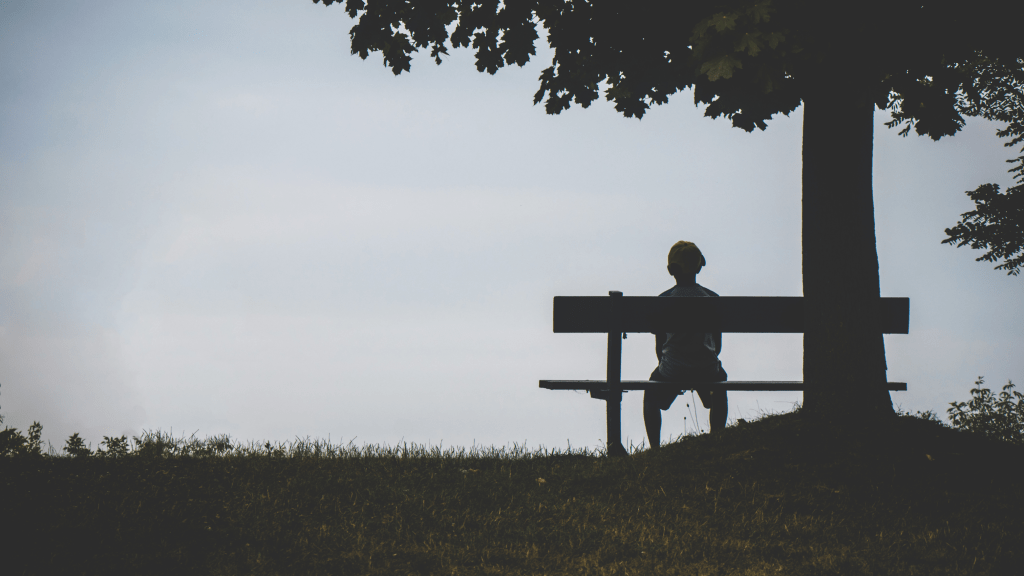
We all spend time alone. It’s inevitable. But is that time filled with the rejuvenating power of solitude, or the crushing weight of loneliness?
The difference isn’t just semantics; it has profound implications for your mental, emotional, and even physical health and well-being. As the poet Ada Limón’s poem reflects, simply being alone doesn’t guarantee a positive experience. For many, the idea of spending time alone is a scary situation that should be avoided. But why is this the case?
What Is Loneliness? How Does It Affect Your Health?
Loneliness isn’t just about being physically alone; it’s a state of perceived social isolation. It’s the feeling that you lack meaningful connections, that you are unwanted or unseen. Let imagine sitting in a bustling café, surrounded by people, yet feeling utterly disconnected, longing for someone to share the moment with. That’s loneliness.
This deep sense of emptiness can trigger many negative health outcomes. Research consistently links loneliness to mental health disorders such as depression and anxiety, cognitive decline including increased risk of Alzheimer’s disease, cardiovascular problems such as high blood pressure and heart disease, and a multitude of negative overall physical health outcomes.
Loneliness is the persistent ache of wanting connection and feeling unable to find it. It’s not something you can easily switch off; it’s an involuntary social pain that colours your world in shades of grey. As philosopher Arthur Schopenhauer suggested, loneliness is desiring an absent want, an emptiness that remains unsatisfied. It’s like looking at a hole.
What Is Solitude? How Is It Different from Loneliness?
Solitude, on the other hand, is a completely different experience. It’s the chosen state of being alone, and the purposeful use of that time for reflection, creativity, and self-discovery. It’s about turning inward, tuning into your own thoughts and feelings without the distractions and pressures of the outside world. You should think of solitude as a retreat, a personal sanctuary where you can freely explore your inner space (by focusing on “me” time). This space allows you to boost creativity as deliberately withdrawing from social interaction allows your mind to roam freely, connecting seemingly disparate ideas and sparking creative solutions, turning daydreaming, often dismissed as unproductive, into a powerful tool for innovation.
It also enhances self-awareness as, without external influences, you can honestly examine your values, beliefs, and desires, leading to greater emotional maturity and psychological well-being, and improving relationships as, paradoxically, solitude can actually strengthen your relationships by understanding yourself better, allowing you to approach interactions with greater empathy, clarity, and authenticity.
Finally, solitude allows you to reduce stress; by taking time for solitude is a way to switch off from the incessant demands of the modern world, you can recharge your mental and emotional batteries, reducing stress and improving your overall mood. Authors like Elizabeth Gilbert recommend making solitude a conscious practice, learning to be comfortable with your own company. Let pretend you’re on a business trip, disconnected from your usual routines and obligations, and use that time to pursue a creative endeavour.
The key difference between solitude and loneliness lies in choice and enjoyment. Solitude is a conscious decision; you choose to be alone and you find pleasure in your own company. Loneliness, however, is often imposed; you feel isolated and disconnected, even when surrounded by others. However, it is important to note that the distinction between the two is more complex than simply an issue of choice. Depression can affect the ability to choose and turn solitude into loneliness.
How to Practise Solitude?
So, how do you shift from the negative spiral of loneliness to the empowering embrace of solitude? You can start by acknowledging and naming your emotions, and understanding why you feel lonely as the first and baby step toward taking control.
You should also challenge negative thoughts that breed harmful, unhealthy and untrue beliefs by actively challenging those beliefs and replacing them with more positive and realistic perspectives.
You should practise self-compassion too, treating yourself with kindness and understanding, and recognising that everyone experiences loneliness at times, and it doesn’t diminish your worth.
Cultivating self-soothing activities helps as well, such as by engaging in activities that bring you joy and peace, such as reading a book, spending time in nature, or pursuing a creative hobby.
Finally, you should seek social connection (but don’t force it); while solitude is valuable, it’s important to maintain healthy social connections with people or communities. You may start by reaching out to trusted figures like friends and family, but not pressuring yourself to be constantly surrounded by people.
By consciously choosing solitude and embracing the power of self-reflection and creativity, you can transform a potential source of pain into a powerful tool for growth, well-being, and a richer, more meaningful life.
Remember, being alone isn’t necessarily lonely, depending on whether you exercise your autonomy and agency to choose to be alone, and whether being alone makes you a healthier and more well-rounded person.


 Society & Growth
Leave a comment