

From time to time, Harvard research highlights the critical role social connections play in our overall health and well-being. Harvard research suggests that social connections are not just for a pleasant life, but are a key factor for longevity. This isn’t just about feeling happy; it’s a fundamental human need, akin to food, water, and shelter. Scientists are proving that being connected, optimistic, and resilient contributes significantly to a longer, healthier life.
High Cost of Disconnection
The consequences of social isolation are far-reaching. Studies have linked loneliness to increased risks of heart disease, stroke, anxiety, depression, dementia, and Alzheimer’s disease. Startlingly, loneliness and social isolation are associated with a significant increase in premature mortality. In 2023, the then-United States Surgeon General, Vivek Murthy, even declared a national epidemic of social disconnection in the US, with a large proportion of adults struggling with loneliness.
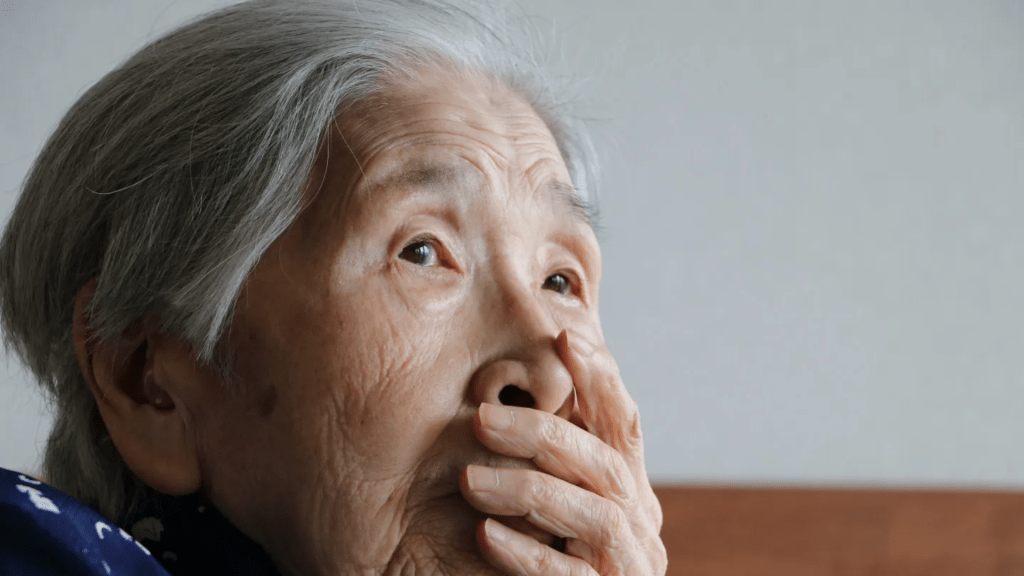
In Japan, the loneliness epidemic is so severe that elderly women are committing crimes in order to find friendship and healthcare within the prison system. Feeling neglected financially and socially, and in the context of a global loneliness epidemic, many older Japanese women are turning to imprisonment to find community and support. Conversely, in the UK, social prescribing is being employed as a method to connect patients with community resources in response to the issue. Social prescribing is a healthcare approach whereby health professionals connect individuals to non-clinical, community-based activities, groups, and services to address their social, emotional, and practical needs that impact their health and well-being.
Re-coding Loneliness
Loneliness should not be a source of shame. As Jeremy Nobel—a primary-care physician, public health practitioner, and award-winning poet with faculty appointments at the Harvard T.H. Chan School of Public Health and Harvard Medical School—suggests, loneliness is a biological signal, much like thirst, indicating our need for human connection. Addressing loneliness involves a multi-faceted approach, including de-stigmatisation, increased awareness, and the provision of accessible resources and opportunities for social engagement, such as community activities and creative pursuits. The arts, in particular, can rewire lonely brains, changing how we perceive the social world and offering opportunities for connection.

Harvard research demonstrates the power of prosociality. Acts of kindness and generosity, known as prosocial behaviours, not only benefit the recipients but also improve the giver’s health. Volunteering, for instance, has been shown to improve cognitive and physical health in older adults. Prosociality also extends to broader community health, with studies showing that people with a prosocial mindset are more likely to adopt behaviours that protect their communities.
Religious and spiritual practices are also strongly linked to improved health outcomes. Research indicates that regular attendance at religious services is associated with a reduced risk of mortality and deaths related to despair. Furthermore, spiritual engagement during childhood and adolescence can have long-term benefits on mental health and behaviour.
Overall, maintaining an optimistic outlook is also beneficial for our health. Optimists are more likely to age well, experience fewer chronic diseases, and live exceptionally long lives. While the exact biological mechanisms are still being investigated, optimism seems to be linked to healthier behaviours and potentially a healthier gut microbiome.
Conclusions

Recent research has begun to uncover the neurological basis for our inherent need for social connection, with studies suggesting that social needs are as vital to our health as basic needs such as hunger and thirst. Isolation triggers activity in the hypothalamus, the brain region responsible for governing these basic needs, suggesting it is a drive to avoid feeling bad. Touch and physical contact also seem to be key in fulfilling our social needs, potentially explaining the drawbacks of screen-based interactions.
Addressing social isolation requires a society-wide effort. Dr Holt-Lunstad, a Professor of Psychology and Neuroscience and Director of the Social Connection & Health Lab at Brigham Young University, has developed the “SOCIAL Framework” (Systemic Framework Of Cross-sector Integration and Action across the Lifespan) to illustrate the intersectionality of various factors impacting health. Put simply, this means creating environments that foster kindness, respect, and commitment to one another.
From public health initiatives to individual acts of kindness, it is vital for everyone to collectively build a more connected society that supports the health and well-being of all.


 Society & Growth
Leave a comment